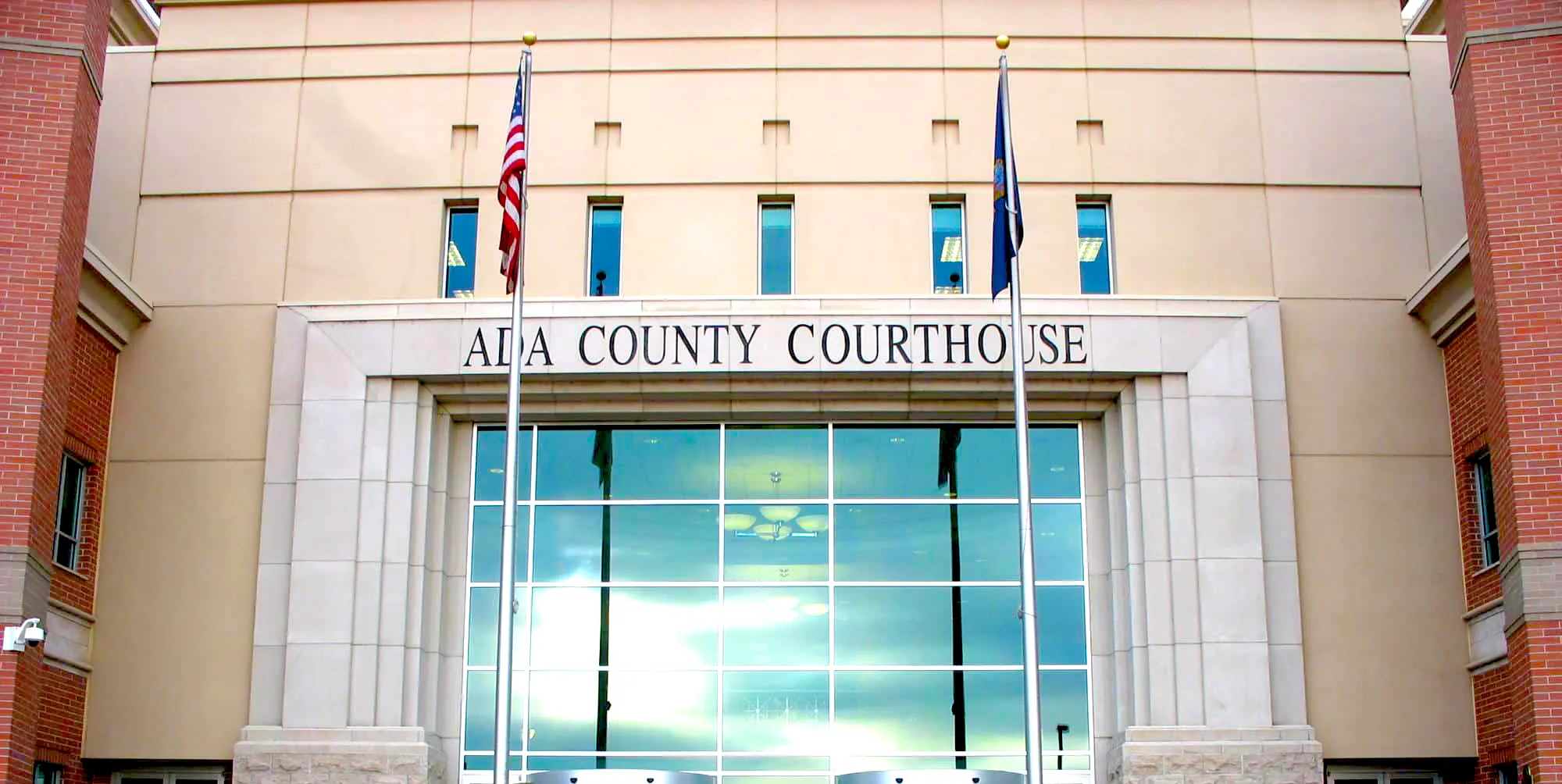
The judge read the no contact order into the record before you left the courtroom at the Ada County Courthouse. By that evening you could not go home, see your kids, or answer your spouse’s text. The person the order protects may never have asked for it, and that changes nothing, because in Idaho a criminal no contact order belongs to the court. Idaho Code and the Idaho Criminal Rules set when it starts, what it covers, when it ends, and the only lawful ways to change it, and you’ll understand each step as it plays out in a Boise case.
What a No Contact Order Is in an Idaho Criminal Case
A no contact order in Idaho is a written court order in a criminal case that forbids you from contacting a named person. Idaho Code 18-920 allows one for a charge of assault, battery, stalking, telephone harassment, or any offense where the court finds one appropriate. The prosecutor usually asks, and the judge decides at your first appearance before a magistrate judge. In Ada County the magistrate court sits at the courthouse at 200 W. Front Street in Boise.
Idaho Criminal Rule 46.2 controls the paperwork. The court serves the order on you on the Idaho Supreme Court’s form. If you were absent when it issued, you may request a hearing within seven days of service, and the court must hold it within fourteen days.
What the Order Forbids, and the Exceptions the Form Allows
The form bars all contact: personally or through another person, in person, in writing, or by phone, email, text, social media, or fax. The judge can add a distance to keep from the person and from a listed home, workplace, or school. Court proceedings involving both of you, and communication through attorneys about legal issues, stay allowed.
The form gives the judge a menu of carve-outs. Each must appear on the signed order or it does not exist. Here are the exceptions a judge can write into the order:
- Phone contact during set hours, for listed purposes.
- Court-ordered mediation, when the order lists it.
- Child exchanges through a named third party.
- One trip home for necessities, through a named person.
- Emergencies involving your children.
If the order forces you out of a shared home, an officer may escort you to collect work tools and belongings.
How Long a No Contact Order Lasts in Idaho
The order tells you its own end date. The Idaho form reads that it expires at 11:59 p.m. on a date the judge fills in, or upon dismissal of the case, whichever occurs first. The statute sets no default length, and every term holds until a judge signs a new order.
The case ending does not always end the order. Idaho Code 18-920 covers people charged with or convicted of a qualifying offense, and the Ada County Prosecutor’s Office states that the State can ask to extend the order beyond the case’s maximum penalty period. Dismissal of any other protection order leaves this one standing.
How to Get a No Contact Order Modified or Dropped
Only a judge can modify or drop a no contact order in Idaho, by signing a new order after a hearing. The Idaho Court Assistance Office says a protected person cannot decide whether the order stands and offers a request form and an online questionnaire for asking the court to modify or dismiss it.
A protected person files that signed request with the criminal court clerk, and the court must set a hearing within fourteen days. The judge hears from the requester, the State, and the defense, then rules.
You can also ask. Idaho’s rules require a written motion stating its grounds and the relief you want, filed like other pretrial motions that change bond conditions. Realistic requests track the form’s exceptions.
What One Text Costs: Violating a No Contact Order
Any forbidden contact is a new crime, separate from the original charge. A first violation carries up to a year in county jail and a fine of up to $1,000, and a third within five years of the first conviction becomes a felony with up to five years in prison and a $5,000 fine. No judge sets bond on that charge until you appear in court, and the court can raise or revoke bond on the underlying case.
The statute defines the crime as contact by the person charged, so a reply to the protected person’s message is still your contact. The form also warns that federal law may bar you from buying or possessing a firearm or ammunition while the order stands.
No Contact Order vs. Restraining Order in Idaho
What most people call a restraining order is, in Idaho, a civil protection order under the Domestic Violence Crime Prevention Act. The petitioner files a sworn petition in the magistrate division, the court holds a hearing within fourteen days, and relief runs for a fixed term of up to one year, renewable on motion.
A criminal no contact order works the other way around. It exists only because the State charged you with battery or assault in Idaho or another covered offense and the judge signed it. When both exist, the most restrictive terms control, and a looser civil order cannot soften a stricter criminal one.
Questions Idaho Defendants and Families Ask About No Contact Orders
These questions come up in nearly every Ada County domestic case. Most start from the same wrong assumption, that the two people named on the order can work things out privately. The order does not allow that, and each answer below rests on the statute, the rule, or the form.
Can the victim get in trouble for violating a no contact order?
Idaho Code 18-920 defines the violation as contact by the person charged or convicted. Any contact from you, even a reply, is your violation.
Can we talk about the kids while the order is in place?
Only if the signed order says so. The form’s exceptions cover exchanges through a named third party, child emergencies, and mediation.
How quickly can a judge lift a no contact order?
A written request or motion triggers a hearing within fourteen days. Nothing changes until the judge signs a new order.
Does the order end if the prosecutor drops the charges?
Dismissal of the case ends the order under the form’s expiration line. A couple deciding not to press charges changes nothing on its own, because the State, not the couple, is the plaintiff.
Is a no contact order worse than a restraining order?
A civil protection order lasts up to one year and renews on motion. A criminal no contact order runs until its date or dismissal.
Living Under the Order Until the Judge Changes It
A no contact order in Idaho changes only on paper, by a judge, after a hearing. Everything else, a text, a phone call, a message through a friend, is a new charge. The form’s exceptions show what a motion can ask for.
Randall Barnum has spent more than 20 years defending people in Idaho courtrooms, and the firm’s 40-plus combined years span state and federal courts, Idaho’s Criminal Justice Act panel, and felony caseloads in the Ada County public defender’s office. Work on the case that put the order in place starts with the conditions you live under today.